
Contact Us
181 2883 6688
sunny.lin@hanyueint.com
2501,Block A,Building 3,Hengmingwan Chuanghui Center,Longcheng Street,Longgang District,Shenzhen
According to an Associated Press report on January 16, the U.S. government and the authorities of Taiwan reached a trade agreement on Thursday (January 15), under which tariffs on goods imported from Taiwan to the U.S. will be reduced to 15% in exchange for Taiwan's new investment of $250 billion in the U.S. technology industry.
In exchange, the United States will reduce the reciprocal tariff rate on products from China's Taiwan region from 20% to 15%, and has pledged to impose zero reciprocal tariffs on generic drugs, their active pharmaceutical ingredients, aerospace components, and certain natural resources.
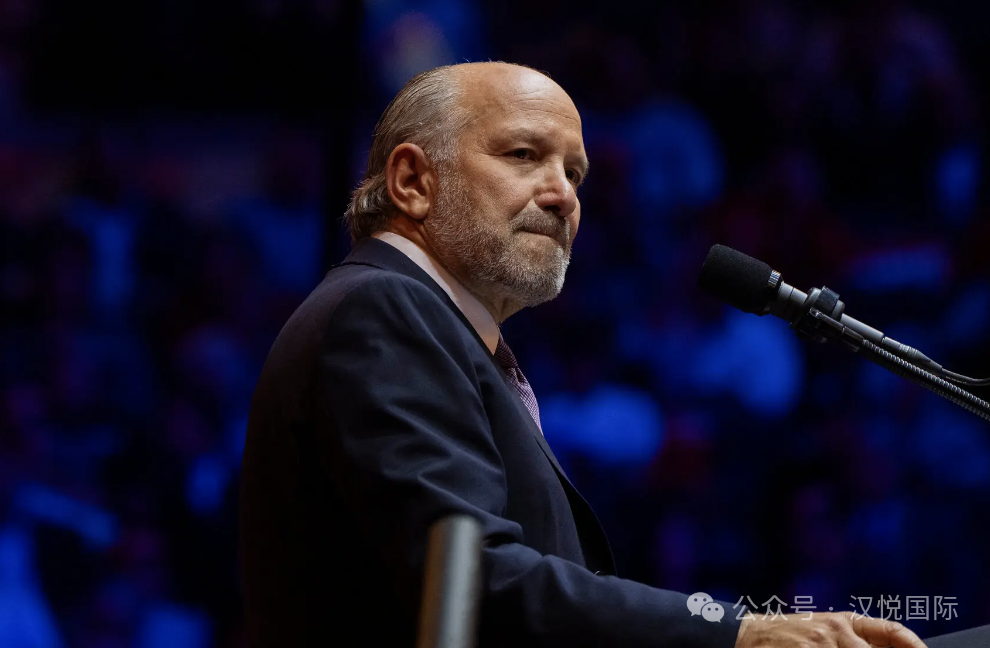
Howard Lutnick, the U.S. Secretary of Commerce, said on Thursday during an interview with CNBC's Brian Sullivan that, as part of the agreement, Taiwan Semiconductor Manufacturing Company (TSMC) has already purchased land in the United States and may expand its production capacity in Arizona.
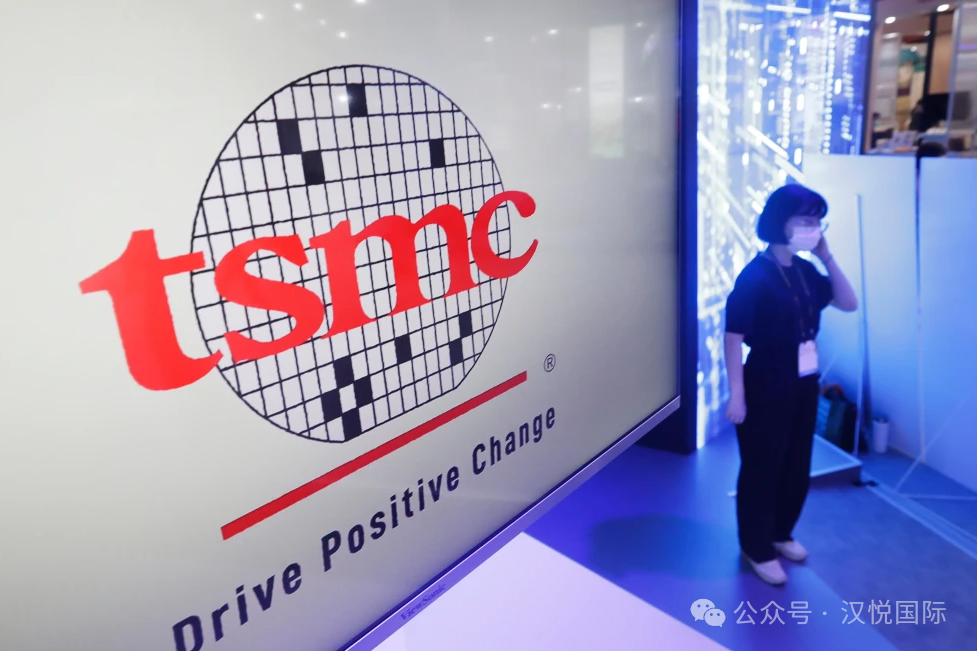
Taiwanese semiconductor firms (e.g., TSMC) will invest at least $250 billion in new direct investments in the U.S. to build and expand advanced semiconductor, energy, and AI production and innovation capabilities.This includes TSMC's prior commitment of approximately $100-165 billion (e.g., for factory construction in Arizona), with the remainder to be realized through new projects.
In addition, the Taiwanese authorities will provide at least $250 billion in credit guarantees to support these companies' supply chain expansion in the United States.
As a result, the total investment scale reaches 500billion(500billion(250 billion in direct investment + $250 billion in credit guarantees), aiming to help the United States reduce its dependence on Taiwan's chip supply and enhance its domestic production capacity.
Since 2020, TSMC has completed one wafer fab in Arizona and is constructing a second, expected to be operational by 2028. Additionally, TSMC has committed to building four more new fabs in the coming years.
U.S. Secretary of Commerce Howard Lutnick stated in an interview that chip companies headquartered in Taiwan but not building factories in the U.S. may face 100% tariffs.
This indicates that the U.S. aims to relocate 40% of Taiwan's semiconductor supply chain to the U.S.
TSMC and other Taiwanese companies have committed a combined US$500 billion to relocate advanced semiconductor, energy, and AI production capacity to the United States, helping Washington transform the chip supply chain from an "island chain" to a "domestic" one.Han Yue International will closely monitor policy developments, and at the same time, make preparations for alternative markets and backup supply chains in advance to maintain flexibility and resilience. Optimize market layout, pre-plan alternative solutions, so that shippers can remain flexible and resilient in the face of fluctuations. If you need the latest information or customized response plans, please contact our customer service.