Recently, several new developments in international shipping and U.S. trade enforcement have emerged that exporters should closely monitor. Commercial shipping through the Strait of Hormuz slowed noticeably over the latest weekend, while satellite monitoring by Windward indicated renewed signs of tanker berthing and loading at the western oil terminal on Kharg Island after the facility had remained vacant for 25 consecutive days.
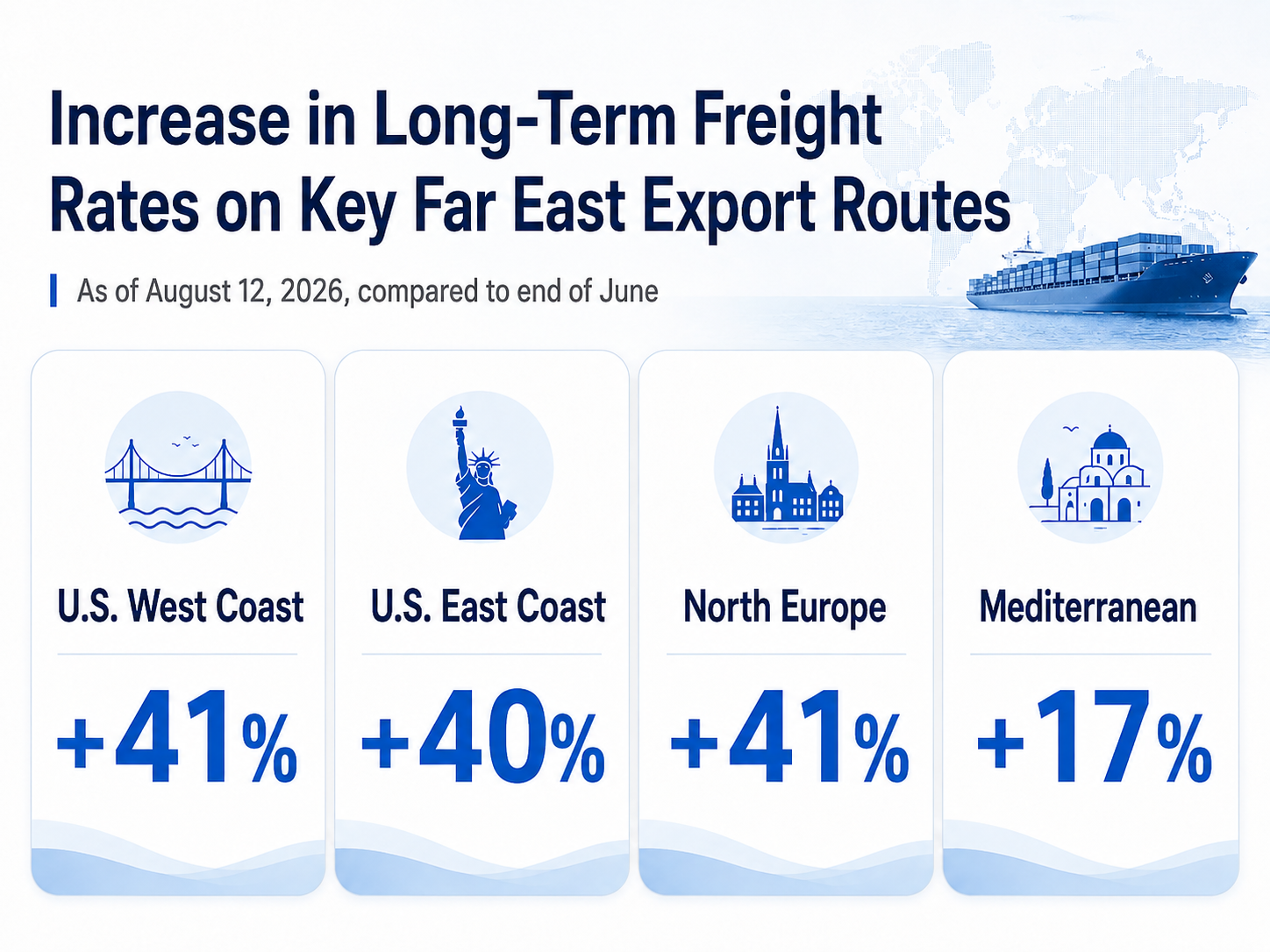
Meanwhile, supply chain disruptions caused by the Middle East conflict are increasingly spreading from the spot market to long-term ocean freight contracts. Compared with the end of February, average long-term freight rates from the Far East to the U.S. West Coast, U.S. East Coast, and North Europe have risen by 41%, 40%, and 41%, respectively.
On U.S. trade enforcement, the latest White House report identifiesillegal third-country transshipment and circumvention of rules of origin as key enforcement priorities and proposes greater use of AI and trade data for risk identification. For exporters, key areas to monitor in the near term include traffic conditions along critical shipping routes, changes in ocean freight costs, and compliance with rules-of-origin declarations.
01 Trackable Vessel Traffic Through the Strait of Hormuz Declines, While Kharg Island’s Western Terminal Resumes Loading
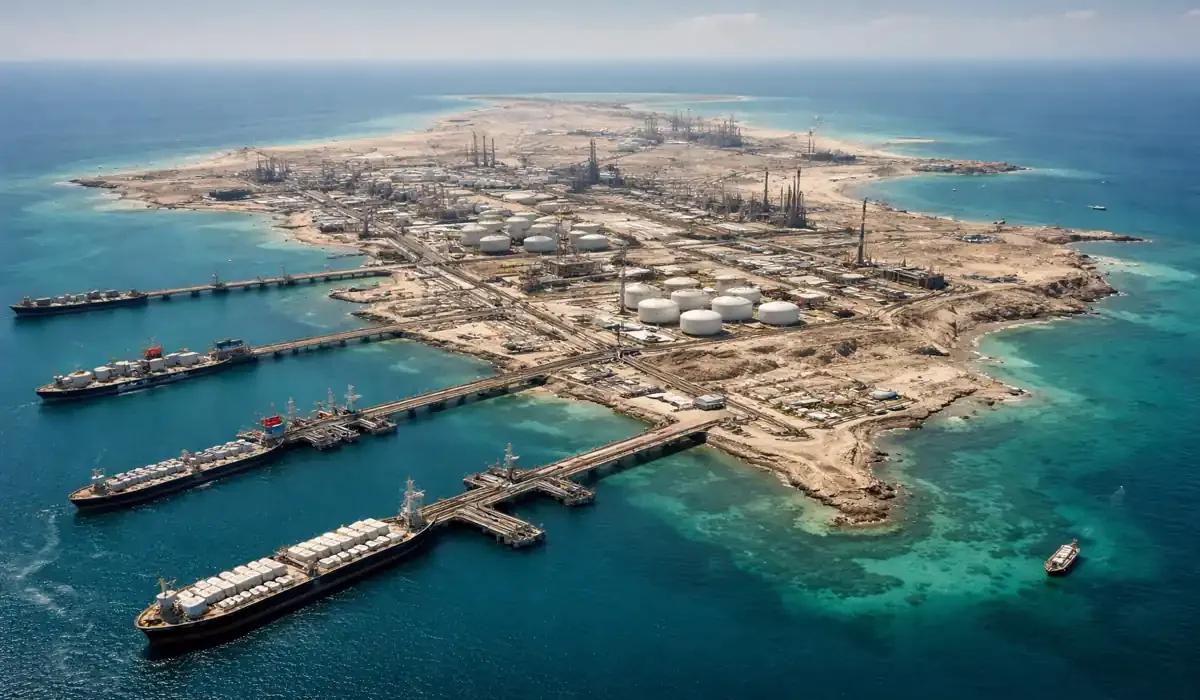
Reuters reported on August 17 that commercial shipping through the Strait of Hormuz slowed noticeably over the weekend as expectations for a breakthrough in U.S.-Iran peace talks weakened and recent tanker attacks increased caution among ship operators.
According to Kpler vessel-tracking data, only five commodity-carrying vessels were identified transiting the Strait on August 15, while none were identified on August 16, compared with 31 over the previous weekend. Reuters noted that some vessels may have switched off their AIS transponders, meaning the figures may not capture all actual transits. Even so, tracked shipping activity remains significantly below the more than 130 vessel transits per day recorded before the conflict.
Recent security incidents have further increased caution in the shipping market. The United Arab Emirates accused Iran of attacking a third ADNOC-operated vessel while it was transiting the Strait of Hormuz, following two earlier incidents involving ADNOC vessels. Responsibility for the incidents has yet to be independently confirmed by the relevant parties.
In energy markets, Brent crude briefly rose to around USD 89.40 per barrel during intraday trading on August 17 before easing to around USD 89, while both Brent and WTI had gained more than 5% over the previous week. Reuters linked the price movement to the outlook for U.S.-Iran negotiations, broader geopolitical risks in the Middle East, tanker attacks, and reduced shipping activity through the Strait of Hormuz.
Meanwhile, Iran’s key crude-export hub on Kharg Island showed signs of a partial recovery. Satellite monitoring published by Windward on August 13 showed that the western oil terminal resumed operations on August 12, its first activity since July 18 and ending 25 consecutive days of inactivity.
Satellite imagery showed a VLCC approximately 333 meters long berthed at the terminal and loading cargo, with follow-up imagery on August 13 showing the vessel still alongside and continuing loading operations. However, the eastern oil terminal and LPG terminal remained vacant, indicating a partial resumption rather than a full recovery of shipping operations across Kharg Island.
Overall, tracked commercial vessel traffic through the Strait of Hormuz remains at a notably low level, while Kharg Island’s western oil terminal has shown signs of resumed loading. Actual vessel movements, port operations, and the broader regional security situation remain key factors to monitor.
02 Middle East Disruptions Feed Into Long-Term Contracts, with Far East–U.S. East Coast Rates Up 40%
Xeneta’s latest container shipping market update, released on August 13, shows that supply chain disruptions caused by the conflict in the Middle East are increasingly spreading from the spot market into the long-term contract market.
As of August 12, compared with February 28, the average long-term freight rate from the Far East to the U.S. West Coast rose by 41%, from USD 2,028/FEU to USD 2,854/FEU; the Far East–U.S. East Coast rate increased by 40%, from USD 3,091/FEU to USD 4,321/FEU; the Far East–North Europe rate climbed by 41%, from USD 1,913/FEU to USD 2,690/FEU; and the Far East–Mediterranean rate rose by 17%, from USD 2,250/FEU to USD 2,629/FEU.
Over the same period, increases in the spot market were even more pronounced. The average spot rate from the Far East to the U.S. East Coast reached USD 10,249/FEU, up 287% from the end of February; the Far East–U.S. West Coast rate reached USD 6,965/FEU, up 271%; the Far East–North Europe rate reached USD 4,909/FEU, up 121%; and the Far East–Mediterranean rate reached USD 5,846/FEU, up 76%. These figures represent market averages compiled by Xeneta. Actual freight rates may vary depending on the carrier, port, container type, cargo volume, space availability, surcharges, and other factors.
Xeneta Chief Analyst Peter Sand said that supply chain disruptions caused by the Middle East conflict over the past six months are increasingly affecting the long-term contract market, while also strengthening carriers’ negotiating power under current market conditions.
For shippers entering into long-term contracts, Xeneta recommends carefully considering whether to lock in a 12-month contract at current elevated rate levels, while exploring shorter contract durations and price-adjustment mechanisms.
It should be noted that this is Xeneta’s analysis and recommendation based on current market data and does not mean that long-term freight rates will necessarily continue to rise.
For companies with stable shipping demand on U.S. and European trade lanes, one development is becoming increasingly clear: the impact of Middle East supply chain disruptions is no longer confined to the spot booking market, but is now also being reflected in long-term contract rate.
03 U.S. Steps Up Scrutiny of Illegal Third-Country Transshipment, with Greater Focus on AI-Assisted Risk Detection
The White House recently released “The Great Transshipment Scam,” identifying illegal third-country transshipment, false declarations of origin, and tariff evasion as key trade enforcement concerns.
Citing analyses from the White House Council of Economic Advisers, the U.S. Department of Commerce, Exiger, and other sources, the report groups approximately 40 countries and regions into different tiers based on China-linked trade, supply chain integration, and potential illegal transshipment risks. However, it also stresses that further analysis is needed to distinguish illegal transshipment from legitimate shifts in production and trade.
Exiger estimates that around USD 75 billion worth of goods may be involved in suspected illegal transshipment annually. Based on this scenario, tariff differentials of 25%, 35%, and 45% could correspond to potential annual tariff revenue losses of approximately USD 19 billion, USD 26 billion, and USD 34 billion, respectively. These are model-based estimates, not actual illegal transshipment or tariff losses confirmed by U.S. Customs authorities.
The report does not independently establish new rules of origin or additional tariffs, but reflects increased U.S. attention to importer responsibilities, related-party disclosures, bonding requirements, and origin-risk identification.
The report also discusses an AI-assisted risk identification system called “Detective Border,” designed to analyze global trade data, unusual shipping routes, production capacity, and supply chain information to identify potential illegal transshipment. Related technologies may also analyze container markings, packaging patterns, and X-ray images to detect inconsistencies between declarations and actual cargo. This does not mean such AI systems have been fully deployed at all U.S. ports.
Importantly, third-country transit itself does not constitute illegal transshipment. For exporters, the key is to comply with applicable rules of origin and ensure that origin declarations, commercial invoices, packing lists, bills of lading, product information, and packaging details accurately reflect the actual supply chain.
The current international logistics environment requires close attention to critical shipping lanes such as the Strait of Hormuz, ocean freight contract pricing, and U.S. rules on origin and transshipment. As shipping and regulatory conditions continue to evolve, companies should assess their transportation arrangements based on the actual cargo, trade route and business model.Hanyue International will continue to monitor developments in global shipping, tariffs and international logistics regulations. For enquiries regarding international logistics, DDP services and transportation solutions, please feel free to contact us.