
Contact Us
181 2883 6688
sunny.lin@hanyueint.com
2501,Block A,Building 3,Hengmingwan Chuanghui Center,Longcheng Street,Longgang District,Shenzhen
Recently, several new developments have emerged in the international trade and shipping markets. The United States continues to advance sanctions-related measures concerning Russia’s energy trade, and some countries importing Russian energy may face potential tariff risks. Meanwhile, Maersk and Hapag-Lloyd (through the Gemini Cooperation Network) are gradually increasing their deployment of services via the Suez Canal, leading to adjustments in the Asia–Europe container shipping network. In addition, the World Shipping Council (WSC) has once again called for stronger regulations on lithium battery transportation, with greater attention being placed on dangerous goods declaration and compliance requirements.
For exporters and freight forwarders involved in European routes, dangerous goods shipments, and DDP services, it remains important to closely monitor changes in shipping routes, insurance costs, and dangerous goods compliance requirements.
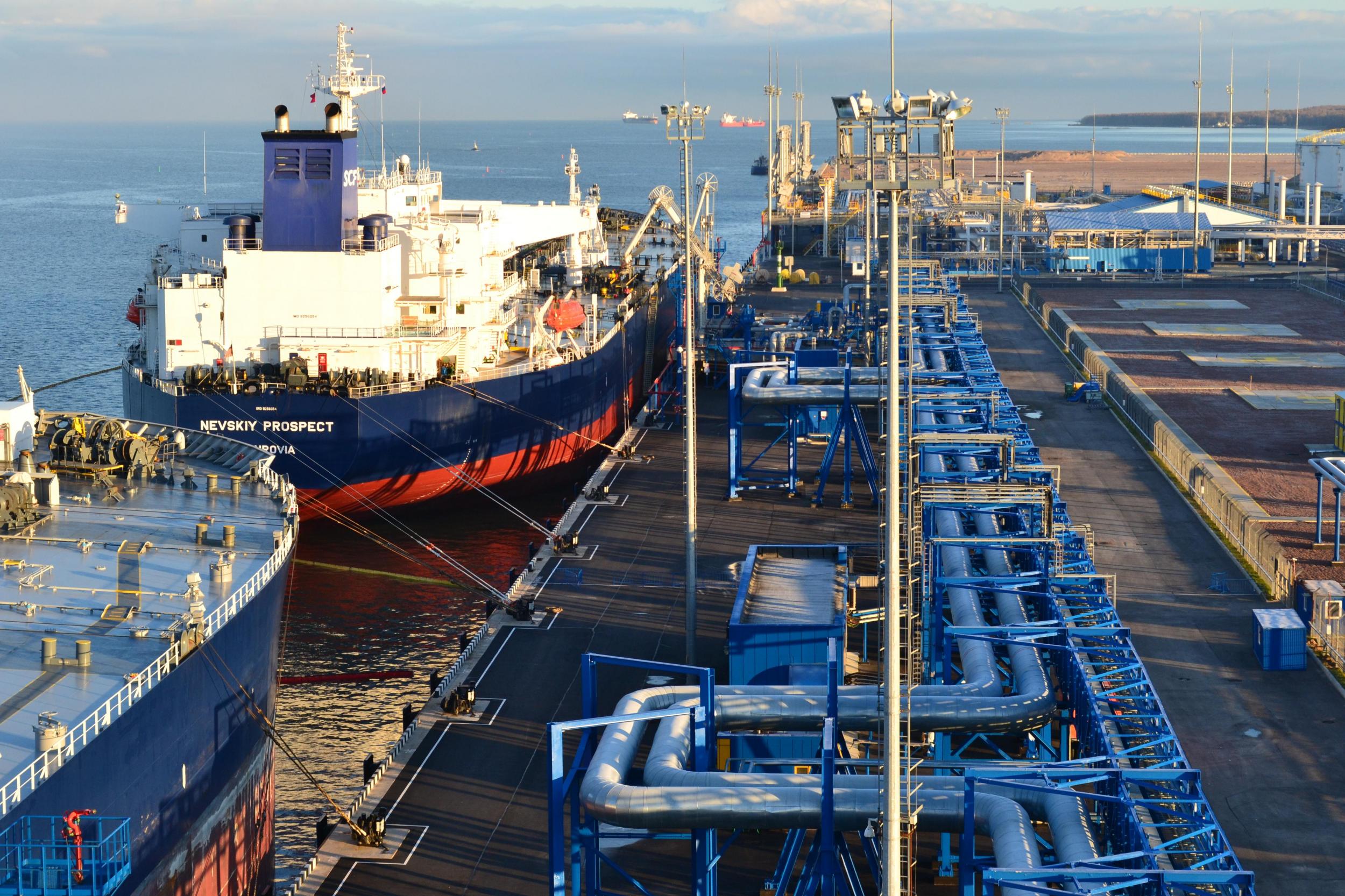
The U.S. House of Representatives has passed a sanctions bill targeting Russia’s energy trade, including provisions that would allow the U.S. President to impose tariffs of up to 100% on countries continuing to import Russian oil and natural gas.
The U.S. Congress has passed sanctions legislation targeting Russia and related support networks, and the bill has been submitted to the President for signature. The legislation includes tariff provisions targeting certain major importers of Russian energy products and countries allegedly assisting in sanctions evasion. As of the time of publication, the relevant tariffs have not yet been implemented. Further attention is required regarding the President’s signature, specific affected countries, and future enforcement arrangements.
India has stated that potential tariff risks could affect energy security and bilateral trade relations, and it hopes to resolve related issues through diplomatic channels.
For companies engaged in international trade, these measures have not yet officially taken effect. Businesses should continue monitoring policy developments and potential trade impacts.
02 Asia–Europe Route Adjustments Continue, While Suez Canal Recovery Depends on Security Conditions
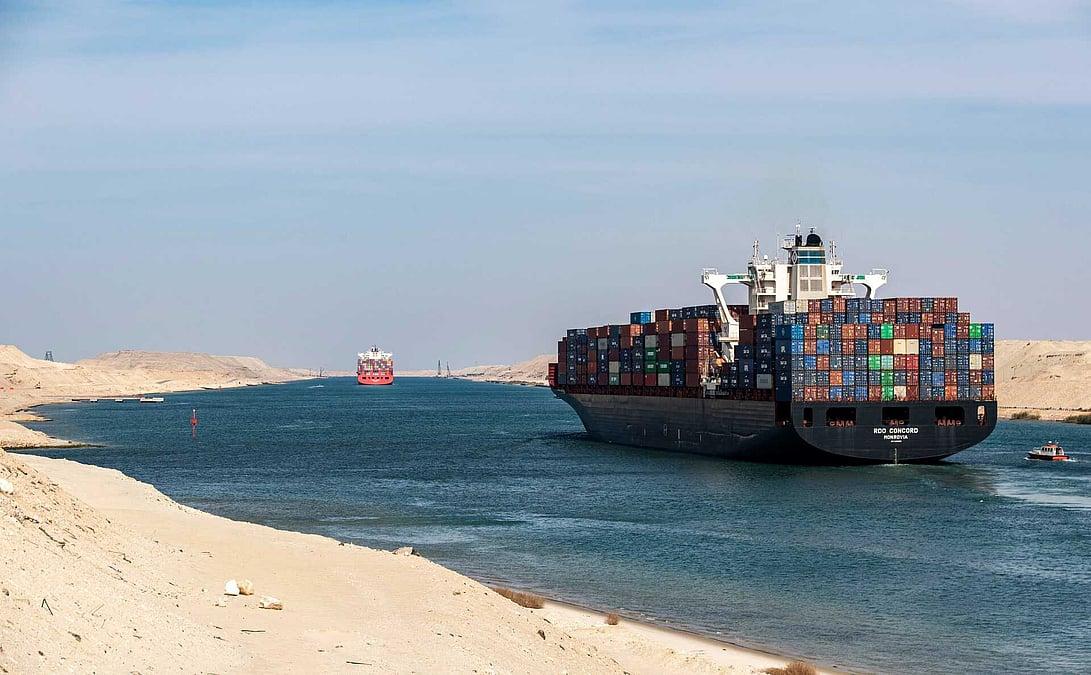
On September 14, Maersk and Hapag-Lloyd announced that four Gemini Cooperation Network services — AE5, AE11, AE12, and ME2 — will shift from Cape of Good Hope rerouting back to Suez Canal routing. Previously, AE15 and AE19 had already adopted the Suez route. The adjustments will be implemented gradually according to individual sailing schedules, while the first sailing arrangement for AE12 has yet to be announced.
Some shipping lines have begun reducing the proportion of Cape of Good Hope rerouting in order to shorten transit times and reduce fuel consumption. However, security conditions in the Red Sea and Bab el-Mandeb Strait remain critical factors affecting route decisions, and carriers will continue adjusting operations based on ongoing safety assessments.
For dangerous goods DDP operators, if more Asia–Europe services resume via the Suez Canal, transportation schedules may change. However, war risk surcharges, insurance costs, and dangerous goods acceptance policies will still require close monitoring.
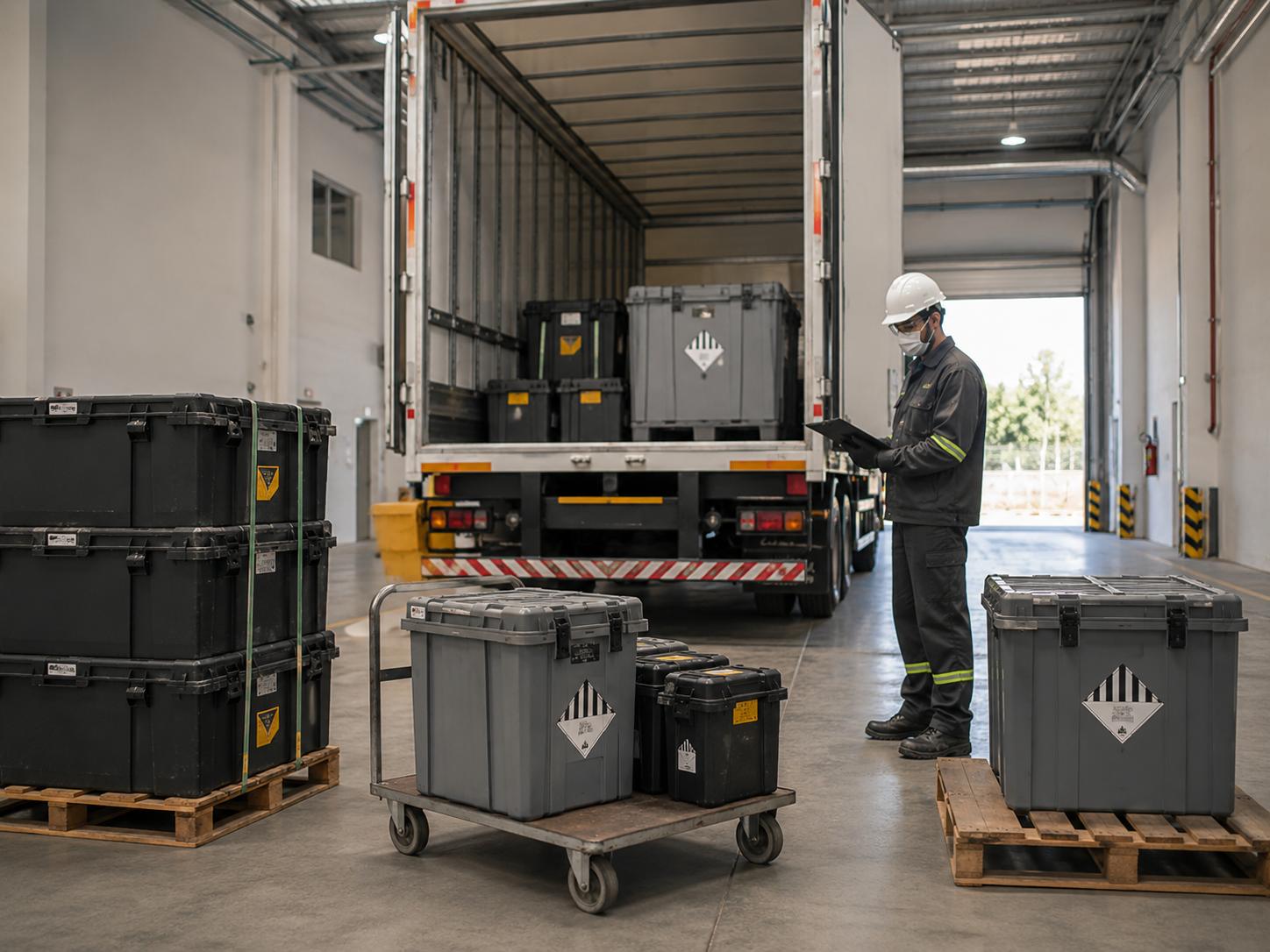
The World Shipping Council (WSC) has called on countries to further study and improve regulations for lithium battery transportation by sea. The focus is on battery shipments that qualify for the Special Provision 188 exemption but are transported in large quantities within a single container. These proposals are currently under international discussion and do not represent the implementation of new unified declaration requirements.
Exporters should continue to follow existing regulations based on the actual characteristics of their cargo, verify battery type, UN number, testing and packaging documentation, and confirm booking requirements with carriers.
For operational guidance, the following points should be confirmed:
Whether the required safety documents and testing documents requested by the carrier are complete;
Whether the UN number is correctly identified;
Whether packaging and transportation conditions meet carrier requirements;
Whether advance dangerous goods approval is required.
For dangerous goods DDP operations involving lithium batteries or battery-containing equipment, companies should pay particular attention to compliance requirements and carrier-specific policies.
Currently, global trade policies, shipping routes, and dangerous goods regulations continue to evolve. For exporters and freight forwarders, confirming transportation requirements in advance, monitoring policy changes, and ensuring accurate cargo declarations can help reduce uncertainties and operational risks. Hanyue International will continue to follow global trade and logistics developments and provide timely updates and transportation solutions for customers.