
Contact Us
181 2883 6688
sunny.lin@hanyueint.com
2501,Block A,Building 3,Hengmingwan Chuanghui Center,Longcheng Street,Longgang District,Shenzhen
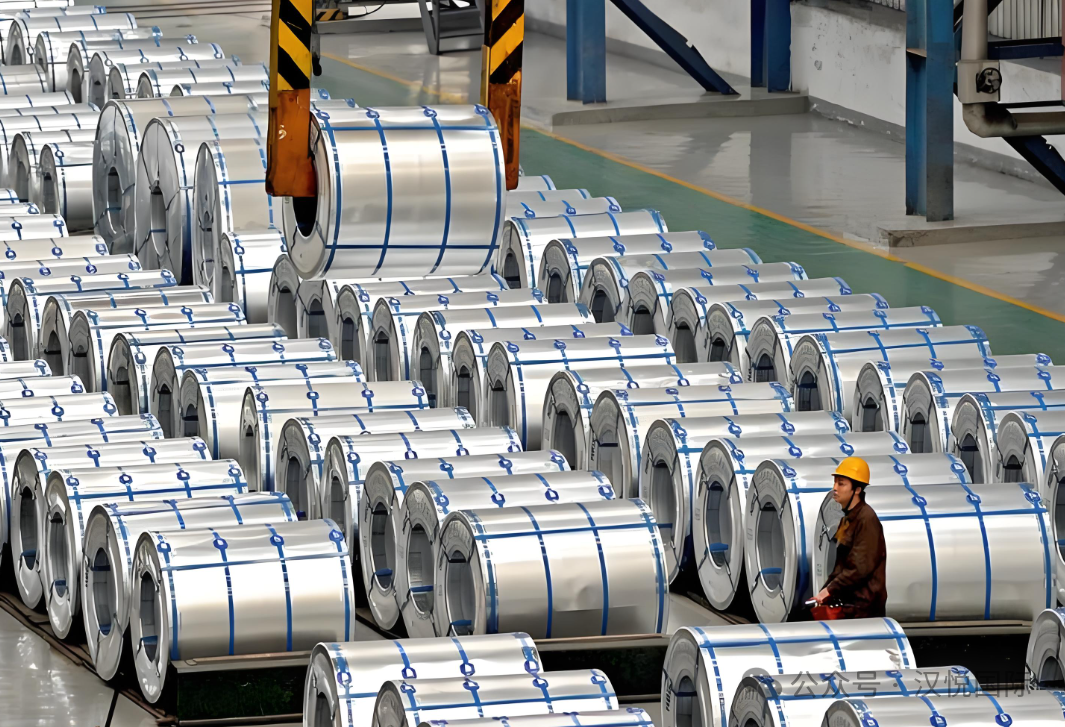
Since the resumption of steel export license management on January 1, 2026, the market landscape has been undergoing profound adjustments. The new policy has raised the threshold for export compliance, and the "buying orders for export" model has been strictly restricted, leading to an extended export cycle. Industry insiders predict that the national steel export volume in the first quarter of 2026 may shrink by 15% to 20%.
However, market resilience has also emerged: the backlog at ports in the early stage is gradually easing, and some "buy orders for export" businesses are still covertly accepting orders, demonstrating an adaptive game under high policy pressure.
Policy Background: Why Reintroduce the License?
Reinstating the export license management system is driven directly by the need to address the increasingly severe trade frictions and the predicament of "incremental investment without value creation" in the industry:
Trade frictions have soared: In 2025, China's steel industry faced over 150 trade remedy investigations, of which approximately 77.78% were anti-dumping cases. Protecting domestic industries and optimizing export structures are of utmost urgency.
Optimize export structure: The policy requires enterprises to provide "quality inspection certificates issued by the manufacturer" to promote the traceability of export products and guide the industry towards higher value-added development.
The five core impacts brought about by the policy
1.The entry threshold has been significantly raised: Enterprises must possess the right to handle imports and exports and apply for an electronic key in order to obtain a license. This directly excludes a large number of small and medium-sized traders who rely on "paying for exports", and the industry is facing a reshuffle.
2.The export process has become longer and the efficiency has decreased: new steps such as license application, approval and cancellation have been added. The application for electronic keys takes 7 to 10 working days, and a separate license application is required for each batch of exports (one license per batch). From application to issuance, it takes approximately 3 working days, and the overall delivery cycle has become more uncertain.
3.The logic of market competition has changed: The government can regulate the pace of license issuance and actively manage export volumes. The market has shifted from being solely determined by "supply and demand" to being "regulated by both policy and market".
4.Industry concentration increases: Compliance costs rise, and resources are concentrated towards large-scale steel mills and leading trading enterprises with qualifications and scale.
5.Compliance supervision has been significantly strengthened: It has achieved the mandatory binding of goods flow and document flow, providing a clearer traceability basis for dealing with trade frictions.
Current situation of implementation: Pains, adaptation and competition coexist
Initial difficulties: Due to the fact that licenses cannot be used across years and the application and approval process takes time, congestion occurred at various ports in early January. With the process becoming more streamlined, the situation improved starting from the third week.
Market Competition: It is worth noting that in January, there were still "buy orders for export" receiving orders in the market, and the order volume increased slightly month-on-month. This indicates that some gray operations are still attempting to find a survival space under the new regulations, and the game between regulation and evasion continues.
Product category differences: The export of steel billets has not been significantly affected by the new policy at present. This might be related to the scope of regulation or specific implementation details.
Future expectations
Overall, the policy clearly aims to regulate the market and enhance the long-term competitiveness of the industry. In the short term, the decline in export volume is an inevitable pain point during the process of structural adjustment. For enterprises, the top priority is:
Quickly obtain the "entry ticket": Immediately apply for an electronic key and acquire the qualifications for applying for the license.
Completely change the model: Abandon any form of "paying for export" and shift to compliant self-operation or agency export.
Intensive management: Based on the characteristics of the license, which requires "one certificate per batch" and has a validity period of 6 months without crossing years, we will meticulously plan the annual export schedule to avoid congestion at the end of the year or the expiration of the certificates.
TIPS
The steel export license system has been resumed, marking the end of the era of unregulated growth in the industry. Those enterprises that have completed the compliance transformation and adapted to the new rules first will seize the initiative in the new, more regulated and value-driven competition arena. HanYue International will closely monitor policy developments and simultaneously make preparations for alternative markets and backup supply chains to maintain flexibility and resilience. We will optimize market layout and preset alternative solutions to ensure that shippers remain flexible and resilient in the face of fluctuations. If you need the latest information or customized response plans, please feel free to contact our customer service.