
Contact Us
181 2883 6688
sunny.lin@hanyueint.com
2501,Block A,Building 3,Hengmingwan Chuanghui Center,Longcheng Street,Longgang District,Shenzhen
In the beginning of 2026, the global trade landscape is undergoing a profound restructuring. As the US tariff stick continues to be wielded, while the smoke of conflict in the Middle East still lingers and European ports are experiencing "major blockages", business operators have realized that "certainty" in the supply chain is becoming the most scarce resource.
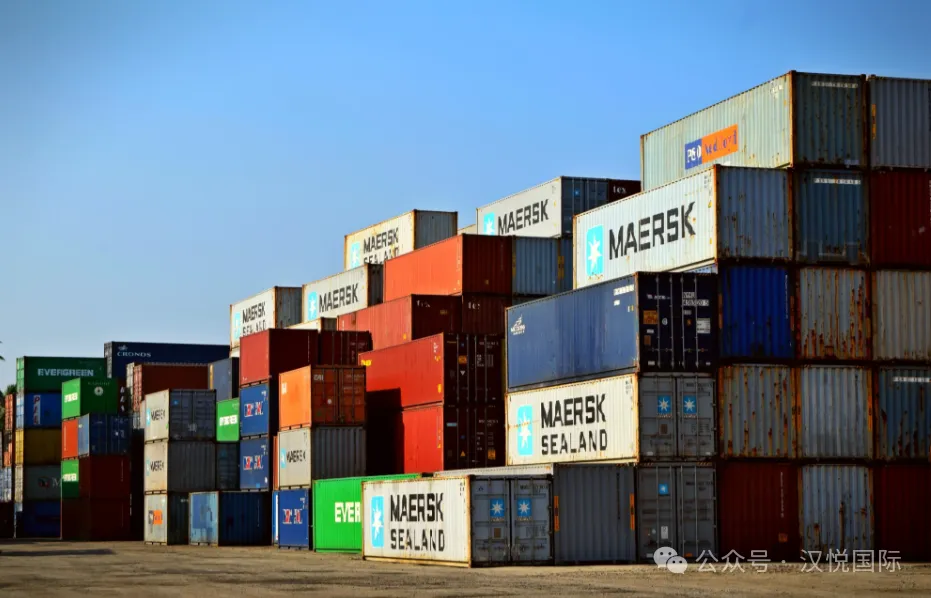
Tariff Storm: Rising Costs Drive Supply Chain "Mass Migration"

On March 4th local time, US Treasury Secretary Bassent stated: The US policy of imposing a 15% import tariff on global goods is expected to come into effect this week, covering all goods exported to the US. Only a few key minerals, medicines, etc. will be exceptions. This tariff rate has reached the legal upper limit of the US's 1974 Trade Act, and after being combined with the original 301 and 232 tariffs, the combined tariff rate of some goods has exceeded 40%, setting a new high in recent years.

European hubs "constantly congested", Middle East conflict adds new uncertainties
If tariffs are considered "artificial barriers", then the congestion at European ports can be regarded as a "natural bottleneck" for global shipping. Since 2025, the congestion problems at the three major ports of Antwerp, Hamburg and Rotterdam have evolved from a temporary phenomenon to a structural crisis:
The congestion situation is truly alarming: the average waiting time for ships at the Antwerp Port is 77 hours, the delay for barges can reach up to 90 hours, and the stay time for containers has increased from the normal 5 days to 7-8 days; the waiting time at the Hamburg Port has increased by 49% compared to the previous year, and at the Bremen Port, the increase is as high as 79%.
The core problem is difficult to solve: low efficiency in port operations, lagging automation in old port areas, frequent labor strikes (in Antwerp, strikes lasted for 25 days in 2025), combined with the peak load pressure caused by the large size of ships, has made the port system "taking longer to recover than the disturbance interval", leading to a vicious cycle of congestion.
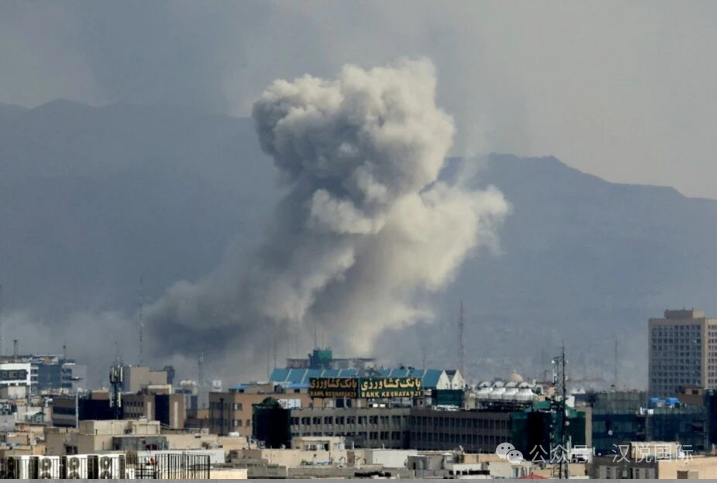
Adding fuel to the fire of the Middle East conflict: The risk of the Red Sea shipping route has forced shipping companies to take a detour around the Cape of Good Hope, resulting in a 10-15 day longer voyage and a fuel cost increase of over 50%. The adjustment of the shipping route has led to a concentration of ships at the ports in Europe, further exacerbating the operational pressure at these ports. Some shipping companies have already changed the Far East - Northern Europe shipping route from Antwerp to Felixstowe, causing a permanent shift in the flow of goods.
In 2026, the supply chain will essentially be a necessary process for the reconfiguration of the global trade order and the upgrading of industry efficiency. The US tariff policies have accelerated the regional and diversified transformation of the supply chain, while the congestion at European ports has forced the industry to eliminate inefficient production capacity and optimize the logistics network. Han Yue International will closely monitor policy developments and simultaneously make preparations for alternative markets and backup supply chains to maintain flexibility. It will optimize market layout, pre-plan alternative solutions, and enable shippers to maintain resilience and toughness in the face of fluctuations. If you need the latest information or customized response plans, please feel free to contact our customer service.