Contact Us
181 2883 6688
sunny.lin@hanyueint.com
2501,Block A,Building 3,Hengmingwan Chuanghui Center,Longcheng Street,Longgang District,Shenzhen
Recently, key developments have been reported in China-US relations: Trump's planned visit to Beijing from late March to early April has been confirmed to be postponed, and the planned discussions on tariffs, semiconductors, agricultural trade and drug issues have all been delayed accordingly. Meanwhile, the US has successively initiated two "Section 301 investigations", targeting 16 and 60 economies (including China) respectively on the grounds of "excess capacity" and "forced labor". China has made a solemn response. A series of changes have added more uncertainty to the direction of China-US economic and trade relations.
Trump's visit to China has been postponed and the high-level meeting has been delayed by five to six weeks.
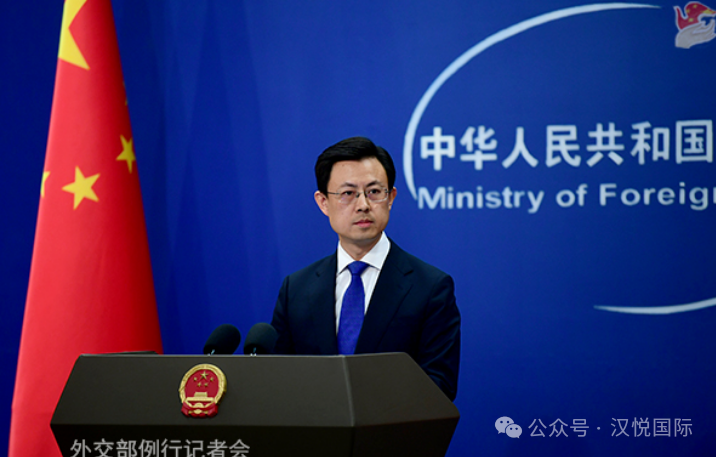
On March 18, Foreign Ministry Spokesperson Lin Jian confirmed at a regular press conference that US President Donald Trump has decided to postpone his visit to China and plans to reschedule the meeting for five to six weeks later. China has accepted this.
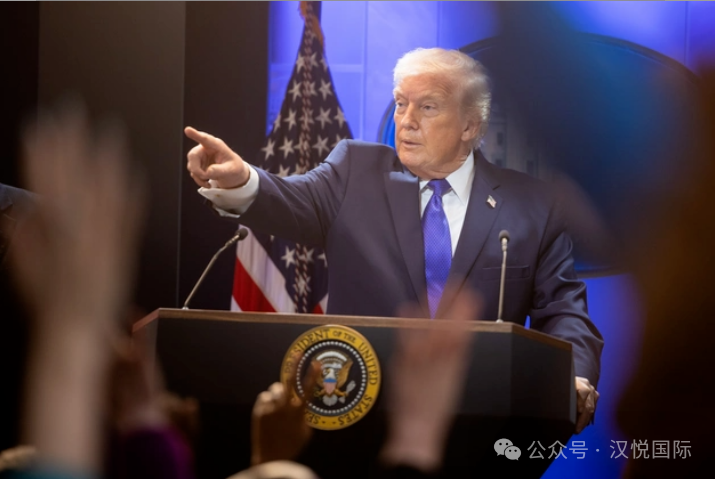
Regarding the reason for the postponement, Trump himself stated that he needed to stay in Washington to coordinate matters related to the war in Iran and thus could not make the visit for the time being. US Treasury Secretary Mnuchin and White House Press Secretary Leavitt also successively clarified that this was purely a matter of scheduling and not due to any other external factors. They emphasized that Trump looks forward to visiting China and that this adjustment does not involve the cancellation of the trip.
China has made it clear that top-level diplomacy plays an irreplaceable strategic guiding role in China-US relations. The two sides will continue to communicate on the visit of US President Trump to China. Meanwhile, the core issues originally planned to be discussed, such as tariffs, semiconductors, agricultural trade and drug issues, have been put on hold.
The US has launched three consecutive Section 301 investigations, and China strongly condemned "another abuse" of such a tool.
While the visit to China was postponed, the US accelerated its unilateral trade actions. On March 11th and 12th (Eastern Time in the US), the US Trade Representative Office successively launched two "301 investigations": first, it targeted 16 economies on the grounds of "overcapacity", and then expanded the investigation scope to 60 economies, including China. In response to the new round of investigation by the US side, the Ministry of Commerce of China issued a clear response on March 16th, directly stating that the US was "repeatedly abusing" the 301 tool. China has emphasized that during the China-US economic and trade consultations in Paris, it had lodged stern representations with the US side, urging the US to immediately correct its wrongdoings and work in tandem with China. At the same time, it stated that it will closely monitor the subsequent progress of the investigation and reserves the right to take all necessary measures to firmly safeguard its own legitimate rights and interests.