U.S. Weighs 7.5% Additional Tariff as Middle East Ports Face Growing Pressure

2026-08-25

Recent developments in U.S. tariff policy and the Middle East shipping market warrant close attention from exporters. The U.S. government is considering imposing an additional tariff of around 7.5% on certain Chinese imports in response to what it describes as China’s “manufacturing overcapacity.” The proposal remains under discussion, and the specific product scope and implementation arrangements have not yet been finalized.

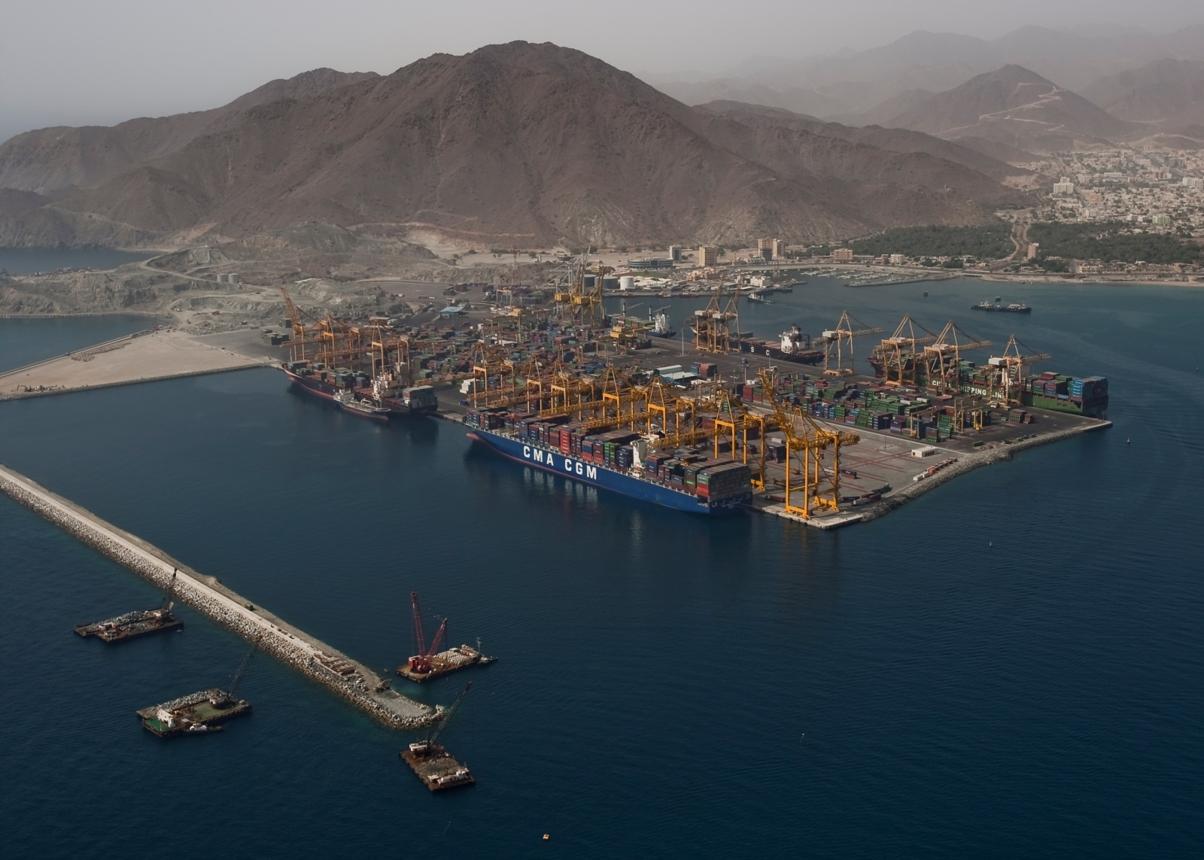
Meanwhile, shipping in the Middle East continues to be affected by regional developments and network adjustments. Congestion at Khor Fakkan Port in the UAE has intensified, with waiting times for some vessels exceeding seven days, and some carriers have already announced Port Congestion Surcharges.

For companies with upcoming U.S.-bound, Middle East-bound, or DDP shipments, changes in tariff policy, port waiting times, and related additional charges should remain under close review.


01 U.S. Considers Additional Tariff of Around 7.5% on Certain Chinese Imports
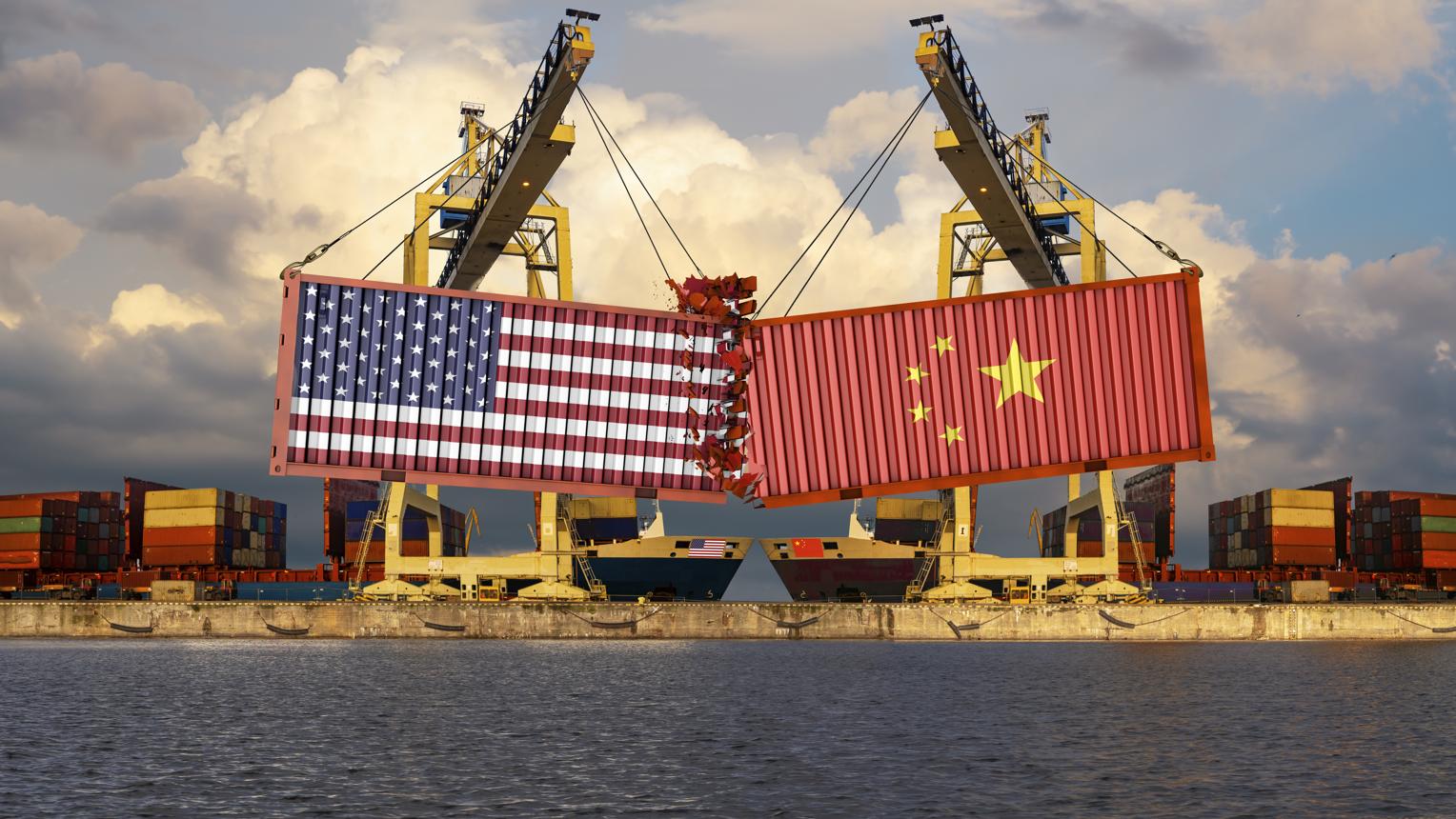
According to reports published on August 24, AP, Bloomberg and other media outlets, citing people familiar with the matter, reported that the U.S. government is considering imposing additional tariffs on certain Chinese imports in response to what it describes as China’s “manufacturing overcapacity.” Sources said that a tariff rate of around 7.5% is currently under discussion, and that the measure could potentially be advanced ahead of a meeting between President Donald Trump and Chinese President Xi Jinping expected to take place in late September.

It is important to note that the proposed 7.5% tariff is still under discussion and subject to a final decision; it has not taken effect as a new U.S. tariff measure on Chinese goods. The specific products that may be covered, the final tariff rate, and the implementation timeline remain uncertain. Reuters also stated that it had not been able to independently verify the reports.

According to AP, the 7.5% rate under consideration is viewed as a possible way to increase trade pressure on China while seeking to avoid disrupting the current one-year U.S.-China trade truce and the planned high-level meeting. The U.S. government has also previously launched investigations related to concerns over Chinese industrial capacity.

For Chinese exporters, the key issue at this stage is whether the proposed tariff will ultimately be implemented and, if so, which products will be covered. If formally introduced, the measure could increase import costs for certain Chinese goods entering the U.S. market and may affect subsequent export quotations and order-level cost calculations.

Therefore, companies with upcoming shipments to the U.S. market should continue to monitor official announcements in light of their specific products and orders. Until the final product list and implementation rules are published, the proposed 7.5% additional tariff should not be directly incorporated into actual import-duty calculations.

02 Congestion Worsens at Khor Fakkan Port as RCL Announces a Port Congestion Surcharge

As shipping networks across the Middle East continue to adjust, some alternative ports are handling increased cargo volumes, and congestion is becoming more pronounced.

Regional Container Lines (RCL) announced on August 21 that, due to severe and persistent congestion at Khor Fakkan Port in the UAE, with vessel waiting times exceeding seven days, it would impose a Port Congestion Surcharge (PCS) on cargo associated with specified voyages where containers have already been picked up, gated in, or are currently en route to Khor Fakkan. The surcharge applies to multiple equipment and cargo types, including dry containers, refrigerated containers, dangerous goods (DG), and out-of-gauge (OOG) cargo.

The surcharge is USD 450 per container, applicable to dry, reefer, DG, OOG, and other specified containerized cargo. It is payable by the consignee at destination and must be settled before cargo release.

According to RCL’s official notice, the specified voyages include VIRA BHUM 147W, HIRANYA BHUM 014W, KMTC MUMBAI 2605W, and HUNSA BHUM 025W. Actual applicability should be confirmed against the specific booking and the carrier’s invoice.

RCL stated in its notice that waiting times for some vessels at Khor Fakkan had exceeded seven days. Third-party port data, meanwhile, showed a median vessel waiting time of approximately 6.31 days between August 16 and 22. The two figures are based on different vessel samples and calculation methodologies, but both indicate a significant increase in congestion at the port.

For companies shipping to or through the Middle East, the impact of port congestion may extend beyond schedule delays and could also involve changes in port congestion surcharges, storage costs, and onward transportation arrangements. Shippers with cargo currently transiting through Khor Fakkan or being imported into the UAE should monitor the latest carrier notices and actual port conditions in conjunction with their specific bookings.

Dangerous goods shipments require additional attention to local operational requirements. According to Maersk’s Middle East operational update issued on August 19, new DG bookings to and from the UAE, including Khor Fakkan, generally remain suspended at present. For DG bookings to the UAE that have already been accepted, or for cargo currently in Salalah where customers elect to reroute via Khor Fakkan, DG cargo destined for the UAE local market is generally required to be transferred to Sajaa ICD (Inland Container Depot) for further handling, with Class 5.1 dangerous goods and radioactive cargo excluded from this arrangement.

Customers are required to arrange trucking from Sajaa ICD to the final delivery location themselves, while any related storage charges are for the customer’s account. Delivery Order (D/O) and customs formalities should be completed before the vessel arrives at Khor Fakkan. Final acceptance and operational requirements remain subject to the specific DG classification, UN number, actual booking details, and Maersk’s latest confirmation.

The proposed 7.5% additional U.S. tariff on Chinese imports has yet to be finalized, while congestion at Khor Fakkan Port has already begun to affect waiting times on certain sailings and has prompted RCL to impose a Port Congestion Surcharge on specified voyages.

For shipments involving the U.S. and Middle East markets in the near term, developments in tariff policy, port conditions, and carrier operational adjustments warrant continued attention.

Hanyue International will continue to closely monitor changes in global trade policies and international shipping markets, providing clients with timely logistics updates and transportation planning support. For the latest information or customized logistics solutions, please contact our customer service team.

Return to List
skye.huang@hanyueint.com
400 992 9988