
Contact Us
181 2883 6688
sunny.lin@hanyueint.com
2501,Block A,Building 3,Hengmingwan Chuanghui Center,Longcheng Street,Longgang District,Shenzhen
Below is a professional and cautious English translation that preserves the policy status, tariff scope, and distinctions in the original Chinese without overstating any proposed measures as already effective.
Recently, two developments in U.S. trade policy toward China and the scope of Section 232 tariffs have drawn attention from exporters. The U.S. International Trade Commission (USITC) has conducted a policy-scenario assessment of the potential effects of revoking China’s Permanent Normal Trade Relations (PNTR) status. Meanwhile, the U.S. Department of Commerce has proposed adding 14 categories of steel, aluminum, and copper derivative products to the scope of Section 232 tariffs, including certain machinery and electrical products as well as steel containers filled with specified chemicals.
It is important to note that the former is a policy-impact study, while the latter remains a proposed measure subject to public comment. Neither should be interpreted as a new tariff measure that has already taken effect. For companies with upcoming U.S.-bound shipments involving machinery and equipment, metal products, electrical products, and certain chemical-related goods, it is advisable to continue monitoring further policy developments and the applicability of specific HTSUS classifications.
The U.S. International Trade Commission (USITC), pursuant to a request from the U.S. Congress, conducted a forward-looking economic analysis of the potential effects that revoking China’s Permanent Normal Trade Relations (PNTR) status could have on the U.S. economy, industries, and sourcing patterns.
According to the USITC’s formally published study, if China’s PNTR status were revoked, Chinese goods could cease to receive the tariff treatment currently available under normal trade relations and, under the policy scenario examined, could instead become subject to Column 2 rates under the Harmonized Tariff Schedule of the United States (HTSUS). The USITC’s task was to assess the potential effects of such a scenario on U.S. trade, production, prices, and sourcing patterns.
The study found that, under this policy scenario, if Chinese goods were shifted from HTSUS Column 1 rates to Column 2 rates, the unweighted average tariff-rate differential would be approximately 28.8 percentage points for manufactured products, 7.3 percentage points for agricultural products, and 0.8 percentage points for mining and energy products, according to the USITC’s calculations. The study also examined the possibility that U.S. import sourcing and production could shift toward other markets, including Mexico, Vietnam, and Taiwan.
On the one hand, the report used an economy-wide model to assess the potential effects of immediately revoking China’s PNTR status. On the other hand, for certain national-security-related products, it compared an immediate shift to Column 2 rates with an industry-level scenario in which tariff rates would be adjusted gradually over a five-year period. In accordance with the research mandate from the U.S. Congress, the USITC also analyzed this alternative five-year phase-in scenario for certain national-security-related products.
A key distinction should be emphasized: the 28.8-percentage-point figure represents the unweighted average difference between Column 1 and Column 2 tariff rates for manufactured products. It is not a newly announced U.S. tariff, nor does it mean that all Chinese manufactured goods would be subject to a uniform additional 28.8% tariff.
The USITC’s work is a fact-finding and forward-looking economic analysis. It does not mean that the United States has made a policy decision to revoke China’s PNTR status. Nor does the USITC, through this report, revoke PNTR status or directly impose the tariff increases discussed in the analysis.
For companies that export to the United States on a long-term basis, the more relevant issues at this stage are whether the matter moves further into the legislative or policymaking process and whether the actual HTSUS duty rates applicable to specific products are subsequently changed. Until a formal policy is adopted and implemented, exporters should not calculate actual U.S. import costs on the assumption of a “new 28.8% tariff.”
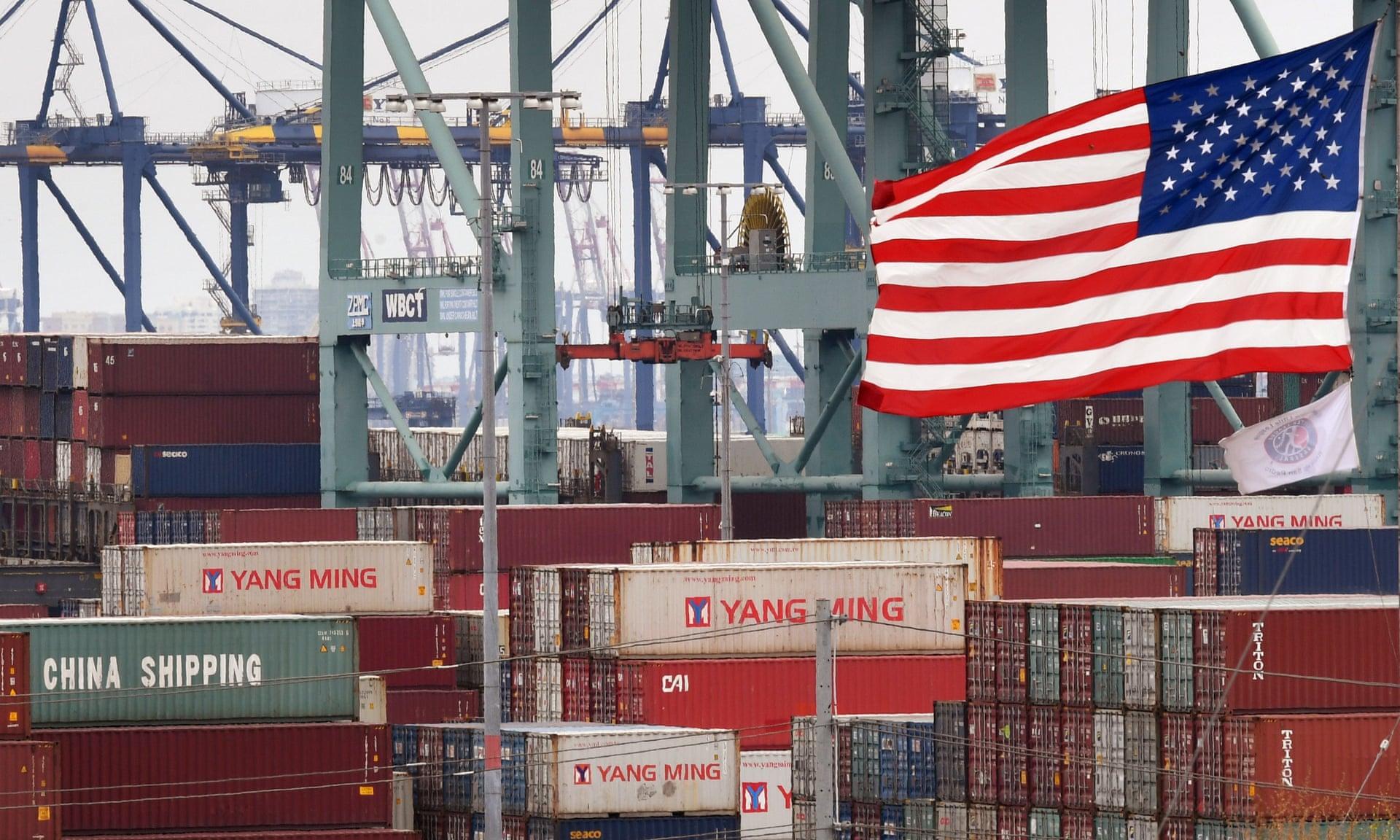
On August 6, the U.S. Department of Commerce’s Bureau of Industry and Security (BIS) published a notice in the Federal Register
seeking public comments on a proposal to add 14 categories of steel, aluminum, and copper derivative products to the scope of Section 232 tariffs. The deadline for submitting public comments is August 27, 2026. The close of the public comment period does not mean that the proposed tariffs will automatically take effect; a formal decision from the U.S. Department of Commerce would still be required. The proposed scope covers 14 categories of products, including aluminum powder of non-lamellar structure; brass wind instruments and parts thereof; parts of welding equipment; floor-standing safes; certain electrical conductors and cables; fire extinguishers; heat-exchanger parts; certain parts of hydraulic engines and motors; certain self-propelled cranes and mobile lifting equipment; tank trailers and semi-trailers; certain agricultural trailers; and steel containers filled with specified chemicals. Of particular relevance to chemical transportation are steel containers filled with specified chemicals. The products identified by the U.S. Department of Commerce include: liquefied propane classified under HTSUS 2711.12.0020, oxygen under HTSUS 2804.40.0000, and propylene (propene) under HTSUS 2901.22.0000. Under the Department of Commerce’s current proposal, if these products are ultimately added to the scope of Section 232 tariffs, most of the proposed additional product categories would generally be subject to a 25% tariff. Certain products would be subject to different proposed rates. For example, self-loading or self-unloading agricultural trailers and semi-trailers would generally be subject to a proposed 15% tariff, while certain mobile lifting equipment would be subject to the applicable tariff rate provided under a separate presidential proclamation. For the steel containers filled with propane, oxygen, and propylene described above, the U.S. Department of Commerce has proposed a 50% Section 232 tariff. An important distinction must be made here: the proposed 50% tariff would apply only to the value of the metal container itself and not to the value of the chemical contents inside the container. The Department of Commerce’s stated rationale is that these steel containers would be subject to the same tariff treatment if imported empty. Therefore, the proposal should not be characterized simply as “a proposed 50% U.S. tariff on propane, oxygen, and propylene,” nor should it be interpreted as imposing a uniform 50% tariff on all chemical cylinders or steel packaging. Whether a particular product falls within the proposed scope must be determined by reference to the specific product descriptions and HTSUS classifications listed in the Federal Register notice. It must also be emphasized that these 14 product categories remain proposed additions and are still subject to the public comment process. They have not yet been formally added to the scope of Section 232 tariffs. Whether they will ultimately be included, and how any resulting tariffs would be applied, will depend on the U.S. Department of Commerce’s subsequent formal decision. For companies with U.S.-bound shipments involving machinery, electrical products, metal products, and relevant chemical-related goods, it is advisable to monitor the applicable HTSUS classifications, product composition, and subsequent official Section 232 notices and determinations. Until the final measures are confirmed, exporters should not calculate additional tariff costs on the assumption that the proposed 25% or 50% rates are already applicable.
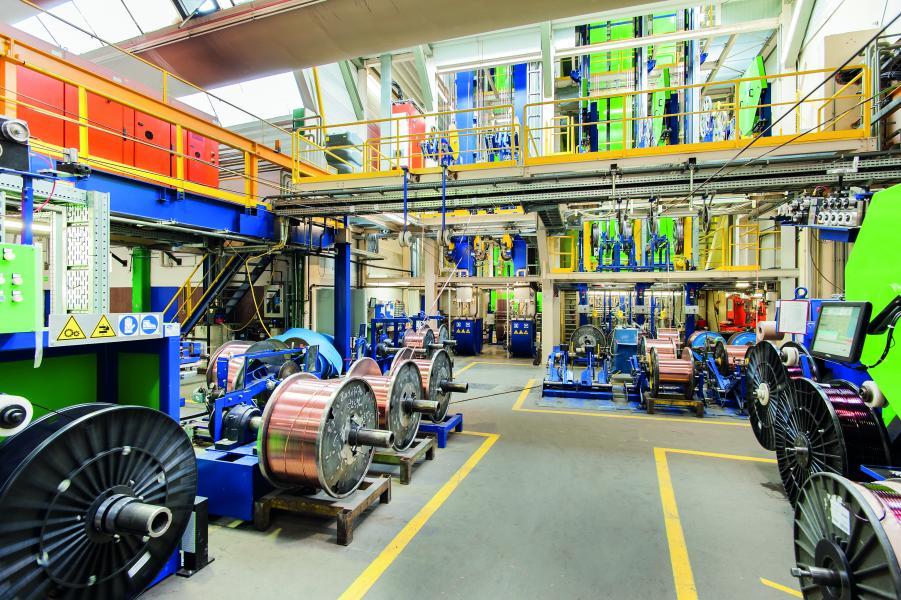
Recently, the United States has, on the one hand, been assessing the potential effects of revoking China’s PNTR status and, on the other hand, considering a further adjustment to the scope of Section 232 tariffs. At present, neither development should be interpreted as a new tariff measure that has already taken effect.
For companies with upcoming U.S.-bound shipments, attention may be given to product-specific HTSUS classifications, applicable duty rates, and subsequent official policy developments.
Hanyue International will continue to monitor global tariff policies and trade-regulatory developments, providing clients with timely logistics information and transportation-solution references. For the latest updates or customized logistics solutions, please contact our customer service team.