
Contact Us
181 2883 6688
sunny.lin@hanyueint.com
2501,Block A,Building 3,Hengmingwan Chuanghui Center,Longcheng Street,Longgang District,Shenzhen
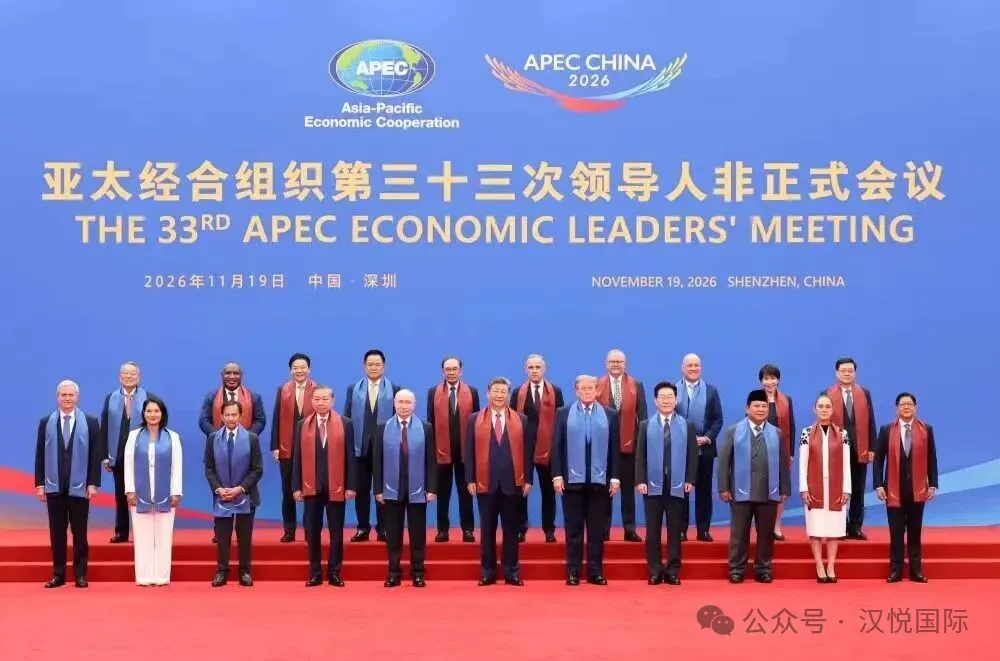
The recent APEC sessions and multiple leader-level meetings in Shenzhen have drawn widespread attention from the foreign trade and energy sectors. Many companies are asking whether there will be immediate changes to China-U.S. tariffs, regional trade rules and energy shipping arrangements. A reminder: leaders’ remarks, meeting declarations and cooperation consensus primarily reflect the direction for upcoming negotiations and collaboration. They do not equate to tariff, customs or shipping implementation documents that have taken effect. Businesses must clearly differentiate between “political signals” and “formally enacted rules” when conducting operations.
China-U.S. Tariffs: No New Implementable Tariff Rates Released
The China-U.S. leaders’ meeting sends a signal of continued economic and trade communications to address mutual concerns. As of press time, the official readout of the meeting does not specify new tariff rates, product lists or effective dates, and no concrete tariff implementation documents stemming from this meeting have been issued.
For import and export filings, China-U.S. trade quotations and clearance system configurations, companies shall keep using the current tariff schedules and official announcements.Do not make premature assumptions or adjust parameters unilaterally.
No new tariff rates, eligible product lists, HTSUS codes or official effective dates have been announced so far.
For shipments under U.S. DDP terms, long-term orders, or goods with extended pricing cycles, cost estimates should still be calculated based on the currently applicable tax burden at this stage.
The Shenzhen Vision Sets the Long-Term Direction for Regional Cooperation
Leaders at this meeting reached consensus and adopted the APEC Leaders’ Shenzhen Vision for an Asia-Pacific Community, alongside outcome documents covering three pillars: trade, connectivity and innovation. Supplementary deliverables were also finalized on trade digitalization, regional connectivity, as well as digital and emerging technologies. China announced a USD 20 million contribution to support practical APEC cooperation. It will also establish an Asia-Pacific Community Research Center, plus cooperation mechanisms focused on digital technologies, cross-border data flows, clean energy and small and medium-sized enterprises (SMEs).
These deliverables primarily constitute medium- and long-term cooperation frameworks and institutional arrangements. They should not be interpreted as immediate entry into force of new tariff preferences, customs filing requirements or logistics operational rules.
China-U.S.-Russia Meeting Addresses Energy Stability, Yet No Specific Cargo Shipping Implementation Plans Released
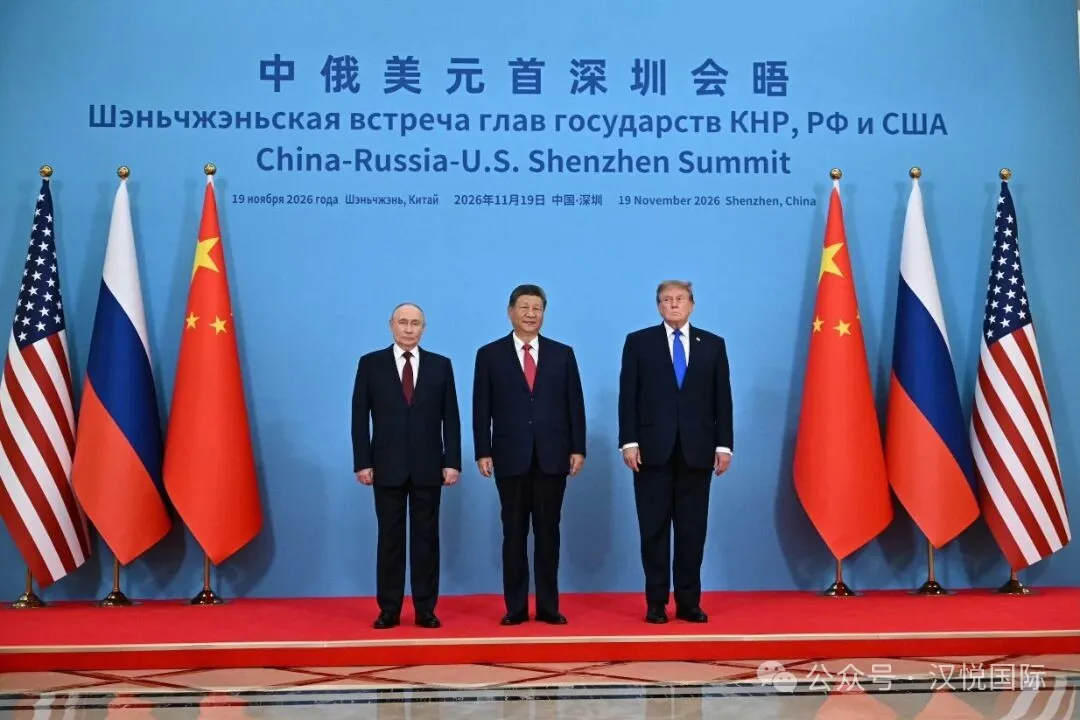
The joint statement from the China-U.S.-Russia meeting references upholding strategic stability and international security, prioritizing stable energy flows, boosting refined oil production and supply, and holding dialogues on nuclear risks and non-proliferation. That said, public documents to date have not laid out actionable arrangements such as specific output increase volumes, implementation timelines, export or procurement quotas, commercial contracts, loading/discharge ports or shipping routes.
For oil product procurement, vessel scheduling and freight rate calculations, all planning should continue to be based on existing supplier contracts, port advisories, carrier sailing schedules and available carrying capacity. Do not assume immediate new purchase orders, tanker cargo volumes or fixed routing arrangements solely on the basis of this statement.
Companies handling shipments of oil products, chemicals and hazardous goods must make assessments with full consideration of supply contracts, sanctions compliance obligations, port notices, carrier acceptance policies, war risk coverage and actual vessel capacity.
Companies engaged in China-U.S. trade, Asia-Pacific supply chains, energy and hazardous goods transportation should distinguish between leaders’ statements, cooperation frameworks and formal implementation documents. High-level consensus serves as a positive signal for follow-up negotiations; nevertheless, policy rollout is subject to supporting rules, announcements and official documentation. Hanyue International will continue to monitor developments from the APEC meetings in Shenzhen and provide clients with timely logistics updates and transportation solution references.